CIPS MENA Procurement & Supply Chain Futures Forum 2026
About the event
The second edition of the CIPS MENA Procurement and Supply Chain Futures Forum takes place on 28 and 29 October 2026 at the Mandarin Oriental Al Faisaliah in Riyadh, organised by the Chartered Institute of Procurement & Supply. The edition runs under the heading Future-Proofing Procurement: Technology, Governance, Resilience, Performance, and examines the capabilities reshaping the profession now that procurement has moved from a transactional function to a driver of resilience, value creation and responsible business.
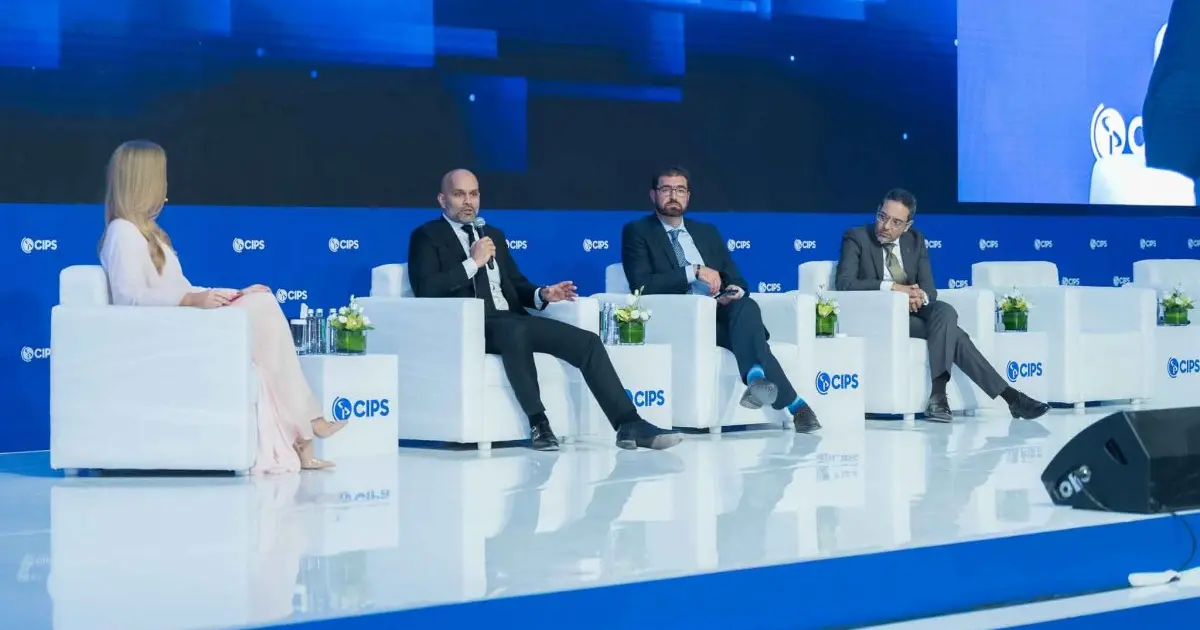
The programme brings together keynotes, panel discussions, fireside chats and case studies covering digital procurement transformation and the use of artificial intelligence, automation and data analytics; supplier governance; building supply chain resilience from risk management to readiness; the effect of real estate decisions on distribution networks and cost; the capability gap facing procurement teams by 2030; medication supply chains and patient safety; and negotiation supported by artificial intelligence. Recognition presentations for future leaders and for the profession's power list run through the day. It addresses procurement, commercial and supply chain leaders in government bodies and in real estate, energy, industry, banking and aviation companies.
Registration is through an expression of interest form on the forum's site in four categories: visitor, speaker, sponsor and media, and the organiser has announced no attendance fee. The forum is accompanied by the CIPS MENA Excellence in Procurement Awards, whose entries are open across twenty team categories and six individual categories, with winners announced at a gala dinner. The live podcast studio also returns to the forum this year.
Agenda
17- 08:45–08:55Opening Remarks
- 08:55–09:10Keynote: The Great Conversation
- 09:10–09:30Fireside Chat: Leadership in Digital Transformation
- 09:30–09:45Keynote: Seen, Not Just Managed — The Overlooked Lever Behind High-Performing TeamsSome teams comply and others excel, and the difference is not budget, size or talent but a small change to a habit most leaders already practise. The keynote sets out the overlooked shift that turns good teams into great ones and cuts the time spent chasing engagement.
- 09:45–10:00Keynote: Stop Buying Procurement Software. Start Deploying Procurement AgentsA provocative look at the future of procurement transformation that challenges software-first thinking and explores how artificial intelligence agents are changing the way organisations automate work, speed up decisions and deliver value, asking whether the next generation of transformation will be bought or built.
- 10:00–10:30Panel Discussion: Location, Leverage, Leadership — Real Estate as a Supply Chain AdvantageReal estate is no longer only a footprint but a strategic lever. From distribution hubs to nearshoring sites, property decisions now shape agility, resilience, cost and environmental performance. The session looks at how leaders turn real estate from a fixed cost into a competitive advantage across network design, automation and growth strategy.
- 10:45–11:00Keynote: Negotiation Intelligence — The AI AdvantageArtificial intelligence is changing how procurement professionals prepare, negotiate and create value. The keynote explores how negotiation intelligence strengthens decision-making, uncovers opportunities and improves supplier relationships while keeping human judgement central to better commercial outcomes.
- 12:00–12:15Keynote: Autonomous Supply Chains — Capabilities and Competencies for a Resilient FutureThe session sets out the capabilities that enable autonomous supply chains: real-time visibility, predictive risk sensing, decision intelligence driven by artificial intelligence, digital control towers and ecosystem collaboration, alongside the organisational competencies of data literacy, agile governance, cross-functional orchestration and strategic procurement leadership.
- 12:15–12:45Panel Discussion: Beyond Automation — Unlocking the Value of Digital ProcurementWith artificial intelligence, automation and digital platforms accelerating change, the question is no longer what to adopt but how to make it deliver. The session looks at how leading organisations prioritise the right technologies and fold them into existing processes to build a more connected procurement function that produces measurable value.
- 12:45–13:15Recognition Presentation: Future Leaders
- 14:00–14:15Keynote: Safeguarding Patients through Medication Supply Chain ManagementIn a fast-changing healthcare landscape, supply disruption is not only an operational risk but a risk to patients. The keynote covers the role of procurement in patient safety through categorisation, better forecasting and embedded risk management that keep care continuous.
- 14:15–14:45Panel Discussion: Building Supply Chain Resilience — From Risk to ReadinessResilience starts at the procurement desk. The session explores how strong supply and demand analysis enables proactive decisions, better forecasting and faster response to disruption, and discusses strategies to diversify external suppliers and manage supply risk in a volatile environment.
- 15:15–15:30Keynote: AI in Procurement — Leading with Intelligence
- 15:45–16:15Panel Discussion: The Capability Gap — Are Your Procurement Teams Ready for 2030?As artificial intelligence advances and transformation accelerates across the Kingdom, the greatest risk is talent rather than technology. The session discusses how organisations are upskilling teams, redesigning roles and building commercially agile procurement leaders, with practical steps to implement.
- 16:15–16:30Keynote: Resilience — Navigating Supply Choke Points with Real-Time Procurement Data
- 16:45–17:30Recognition Presentation: The Power List
- 17:30–18:15Closing RemarksThe conference closes by reflecting on the key insights, strategic priorities and opportunities for collaboration identified through the day, and encourages delegates to translate the discussions into practical action inside their organisations and across the profession.